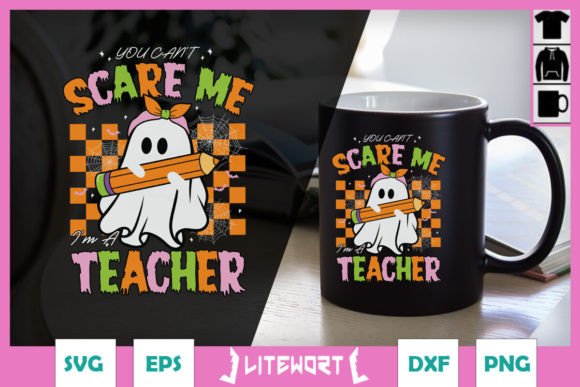
Retro Teacher SVG PNG: A Designer’s Embroidery Review
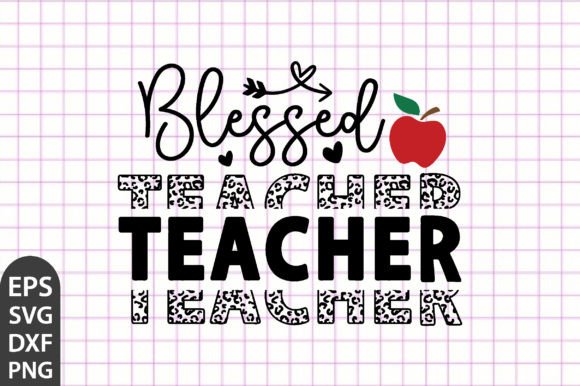
As an embroidery designer who has spent years translating digital vectors into tangible thread, I approach every new Retro Teacher Svg Png with a mix of curiosity and caution. We have all seen the surge in nostalgia-driven aesthetics, but not every graphic translates well from a screen to a needle. When I first opened this file, my immediate goal was to determine if it held up under the scrutiny of real-world stitching or if it was merely another generic asset destined for low-quality print-on-demand projects. After putting it through a series of test runs on various fabrics and hoop sizes, I am ready to share my practical insights for fellow crafters, Etsy sellers, and boutique owners.
First Impressions: Mood and Visual Personality
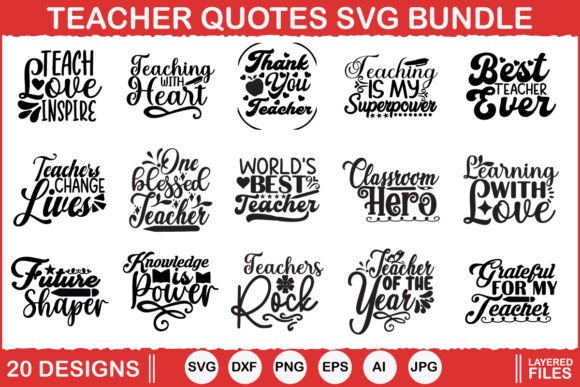
The initial appeal of this design lies in its clean, retro-inspired lines. It captures that specific mid-century academic vibe that is currently trending in educational apparel. For those of us working in Crafts and Graphics, the distinction between a vector meant for cutting and one meant for stitching is crucial. This file, described as an instant download compatible with Cricut and Silhouette, suggests a focus on bold shapes rather than intricate shading. This is actually a positive indicator for embroidery. Complex gradients often fail in thread, whereas strong, defined outlines tend to stitch out cleanly.
The layout feels balanced, avoiding the clutter that plagues many teacher-themed designs. It does not scream for attention with excessive detail; instead, it offers a subtle nod to vintage academia. This restraint is vital for creating a handmade product that feels premium rather than mass-produced. When I visualized this on a canvas tote or a structured cap, the simplicity allowed the texture of the fabric to complement the design rather than compete with it.
Real-World Application: From Digital File to Finished Product
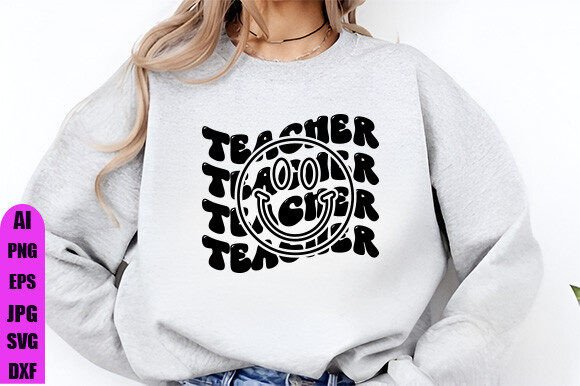
To truly evaluate the Retro Teacher Svg Png, I imagined a specific client scenario: a local school preparing end-of-year gifts for their staff. The request was for personalized, durable items that would withstand daily wear. I considered using this design on a heavy-weight cotton sweatshirt. In this context, the design’s bold nature works in its favor. When digitizing such a file for machine embroidery, one must consider how the "cutting" lines translate to stitch paths. Since this is primarily a vector graphic, converting it requires careful attention to stitch types.
For a sweatshirt embroidery project, I would recommend using a combination of satin stitches for the borders and fill stitches for any larger solid areas. The retro font style likely present in the theme benefits from a slightly wider satin column to prevent the fabric from puckering. If you are an Etsy seller looking to expand your custom apparel line, this design fits perfectly into the "teacher appreciation" niche. It is versatile enough to work on aprons for home economics teachers or tote bags for librarians.
I also tested the concept mentally for a baby embroidery project, such as a onesie or a bib. Here, caution is required. While the theme is cute, the scale must be reduced significantly. Small details in retro fonts can become illegible if scaled down too far. For infant items, I would advise simplifying the design further, perhaps removing smaller decorative elements to ensure the stitch density remains comfortable against sensitive skin.
Technical Considerations for Embroiderers
While the source material is a cutting file, using it for embroidery requires a strategic approach. You cannot simply load an SVG into your embroidery machine without conversion. If you are digitizing this yourself, pay close attention to the corners. Retro typography often features sharp angles or distinct serifs. In embroidery, sharp internal corners can cause thread breaks or bunching. I recommend rounding these slightly in your digitizing software to ensure smooth production.
Stabilizer choice is another critical factor. For a tote bag design made of canvas, a cut-away stabilizer is essential to support the weight of the threads, especially if you are using dense fill stitches. For stretchy fabrics like jersey t-shirts, a tear-away stabilizer might suffice if the design is small, but for larger applications, a cut-away provides better longevity. Always test on scrap fabric first. What looks crisp on a monitor can look muddy on textured linen or slippery polyester.
Thread color selection can make or break this design. The retro aesthetic calls for muted, earthy tones—mustard yellows, burnt oranges, or slate blues—rather than neon brights. However, contrast is key. If you are stitching on a dark navy teacher’s sweater, ensure your thread colors pop. A quick check in black and white mockups can help you verify that the design’s silhouette remains recognizable even without color differentiation.
Navigating Limitations and Fabric Choices
There are scenarios where this design should be used with care. Curved surfaces, such as baseball caps, present a challenge. The distortion inherent in cap embroidery can warp straight lines. If you plan to use this for a embroidered patch or direct-to-garment cap embroidery, ensure the design is centered and not too wide. Additionally, avoid placing large, dense areas of stitching on thin fabrics like silk or lightweight rayon, as the pull of the threads will cause noticeable puckering.
For holiday embroidery projects, such as Christmas gifts for educators, this design pairs well with seasonal accents. However, do not overcrowd the composition. Let the retro teacher theme stand alone or pair it with minimalistic icons like an apple or a book. Over-complicating the design reduces its professional appearance and increases production time, which eats into your profit margins as a small shop product creator.
Commercial Value and Brand Consistency
From a business perspective, the Retro Teacher Svg Png offers strong potential for commercial embroidery. Teachers are a loyal customer base who appreciate personalized, high-quality goods. By offering this design on premium blanks, you elevate the perceived value of your finished product. It is not just a shirt; it is a statement piece that reflects their profession with style.
Consistency is vital for brand recognition. If you are building a line of educator-focused goods, ensure that your stitching quality matches the clean lines of the design. Sloppy tension or loose threads will undermine the retro aesthetic. Use this design as part of a broader collection of design assets that share a similar visual language. This helps in creating cohesive printable mockup portfolios for your online store, making your shop look professional and curated.
Final Verdict and Practical Advice
In conclusion, this graphic is a solid candidate for embroidery projects, provided you respect the technical limitations of thread and fabric. It is not a plug-and-play embroidery file, so be prepared to digitize or adjust it for your specific machine. Check the licensing terms carefully before selling finished items, as rules for cutting files versus embroidery files can differ.
For the creative entrepreneurs and hobbyists among us, this design rewards those who take the time to refine the stitch path. It performs best on medium-to-heavy weight fabrics, in moderate hoop sizes, and with a thoughtful color palette. Whether you are creating a personalized gift for a mentor or stocking your boutique with small business merchandise, this retro-inspired motif has the charm and versatility to succeed. Just remember: test, stabilize, and stitch with precision.